Table of contents

The Uses of Led Screens for Events and Businesses
For engagement
To display information
Visibility
Illumination
Factors events and businesses need to consider before renting LEDs?
Budget:
Aspect ratio
Here are the common aspect ratios:
Pixel pitch
Purpose
Where is the Venue?
The advantages of our rental LED screen
Conclusion

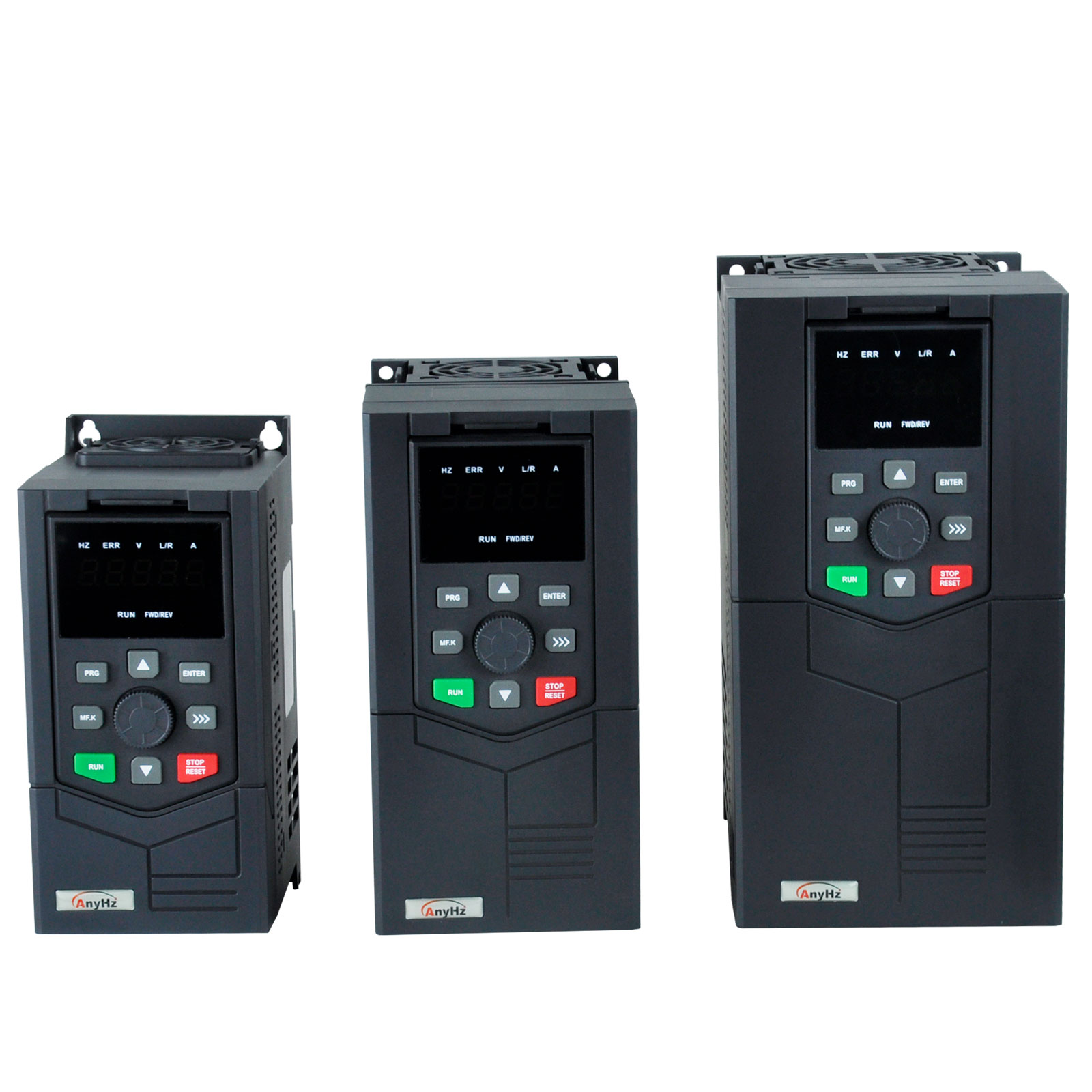
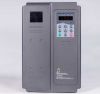
ANYHZ FST-650L Frequency Inverter Undervoltage Protection Resolution at 15Hz

Views: 80 Author: Site Editor Publish Time: Origin: Site


Executive Summary: This case study examines a critical undervoltage protection issue encountered with an ANYHZ FST-650L frequency inverter that consistently triggered an "Err09" fault code when operating frequency reached 15Hz. The root cause analysis revealed a single-phase input supply failure due to a blown fast-blow fuse, demonstrating the importance of systematic power supply diagnostics in variable frequency drive troubleshooting.

Technical Challenge: Err09 Undervoltage Fault During Frequency Ramp-up

Equipment: ANYHZ FST-650L Variable Frequency Drive

Industry Application: Industrial Motor Control Systems

Location: Manufacturing Facility, China

Date: December 2025


Problem Statement


A manufacturing facility experienced persistent operational interruptions with their ANYHZ FST-650L frequency inverter system. The drive would consistently trip on undervoltage protection (displaying "Err09" fault code) precisely when the output frequency reached 15Hz during acceleration. This fault pattern resulted in production downtime and potential equipment damage risks.


Root Cause Analysis


The systematic investigation process revealed the following technical insights:
Primary Issue: Three-phase input power supply imbalance caused by phase loss

  • One phase of the three-phase input supply was completely disconnected
  • The phase loss originated from a blown fast-blow fuse installed downstream of the main circuit breaker
  • The fuse failure created an incomplete three-phase rectification circuit

Technical Mechanism: The undervoltage condition manifested due to incomplete DC bus voltage generation:

  • Under normal three-phase operation, the rectifier produces approximately 513V DC (for 380V AC input)
  • With one phase missing, the DC bus voltage drops significantly
  • At low frequencies (below 15Hz), the DC bus capacitors could maintain adequate voltage through charge storage
  • At 15Hz and above, the increased power demand exceeded the capacitors' ability to compensate for the reduced rectifier output


Solution Implementation


Phase 1: Power Supply Diagnostics

  • Comprehensive three-phase input voltage measurement
  • Phase-to-phase voltage verification (expected: 380V ±10%)
  • Individual phase continuity testing

Phase 2: Component Inspection

  • Fast-blow fuse integrity verification
  • Fuse holder contact resistance measurement
  • Circuit breaker terminal tightness inspection

Phase 3: Corrective Action

  • Replacement of the blown fast-blow fuse with appropriate rating
  • Verification of proper fuse installation and contact integrity
  • Systematic power-up sequence testing


Results and Benefits


Immediate Outcomes:

  • Complete elimination of Err09 fault occurrences
  • Stable operation across full frequency range (0-650Hz)
  • Restoration of normal three-phase input current balance

Long-term Benefits:

  • Enhanced system reliability and production continuity
  • Prevention of potential motor damage from voltage stress
  • Improved overall equipment effectiveness (OEE)

Performance Metrics:

  • Fault frequency reduction: 100% (from consistent failure to zero occurrences)
  • Production uptime improvement: Significant reduction in unplanned downtime
  • Maintenance cost savings: Prevented potential motor replacement costs


Technical Insights


This case demonstrates several critical principles of VFD troubleshooting:
1.Phase Loss Impact: Single-phase operation in three-phase systems creates severe voltage stress on remaining phases
2.Frequency-Dependent Behavior: DC bus voltage regulation becomes increasingly critical at higher operating frequencies
3.Protection System Effectiveness: Modern VFD protection circuits accurately detect and respond to power supply anomalies
4.Component Degradation Pattern: Fast-blow fuses can fail gradually, initially showing intermittent behavior before complete failure

Best Practices Recommendations
Preventive Maintenance:

  • Implement regular three-phase voltage balance monitoring
  • Establish fuse replacement schedules based on operational hours
  • Install phase failure relays for early detection

Installation Guidelines:

  • Ensure proper fuse sizing according to manufacturer specifications
  • Maintain adequate cooling for fuse assemblies
  • Implement surge protection devices upstream of VFD systems

Troubleshooting Protocol:

  • Always verify three-phase input integrity before internal diagnostics
  • Check DC bus voltage levels under various load conditions
  • Monitor input current balance across all three phases


Conclusion


The successful resolution of the ANYHZ FST-650L undervoltage protection issue demonstrates the critical importance of systematic power supply analysis in VFD troubleshooting. The case highlights how a simple component failure (fast-blow fuse) can create complex operational symptoms that might initially appear as internal drive faults. This experience reinforces the value of methodical diagnostic approaches and the effectiveness of modern VFD protection systems in preventing equipment damage.
The implementation of enhanced monitoring protocols and preventive maintenance procedures has resulted in improved system reliability and operational efficiency, providing valuable lessons for similar industrial applications.


×

Contact Us

captcha
×

Inquire

*Name
*Email
Company Name
Tel
*Message