Table of contents

The Uses of Led Screens for Events and Businesses
For engagement
To display information
Visibility
Illumination
Factors events and businesses need to consider before renting LEDs?
Budget:
Aspect ratio
Here are the common aspect ratios:
Pixel pitch
Purpose
Where is the Venue?
The advantages of our rental LED screen
Conclusion

Deep Analysis of 22kW Inverter Explosion Failure in Sugar Factory: IGBT Failure Mechanism and Protection Strategy in Dusty, Humid Environments

Views: 35 Author: Site Editor Publish Time: Origin: Site


Introduction: A 22kW inverter at a southern China sugar factory experienced IGBT explosion during morning power-up. This case study reveals the failure mechanism of sugarcane dust absorbing moisture and causing IGBT mis-conduction, proposing systematic protection solutions for dusty, humid environments to provide maintenance references for the sugar and similar industries.


Failure Phenomenon and Background


Equipment Information:

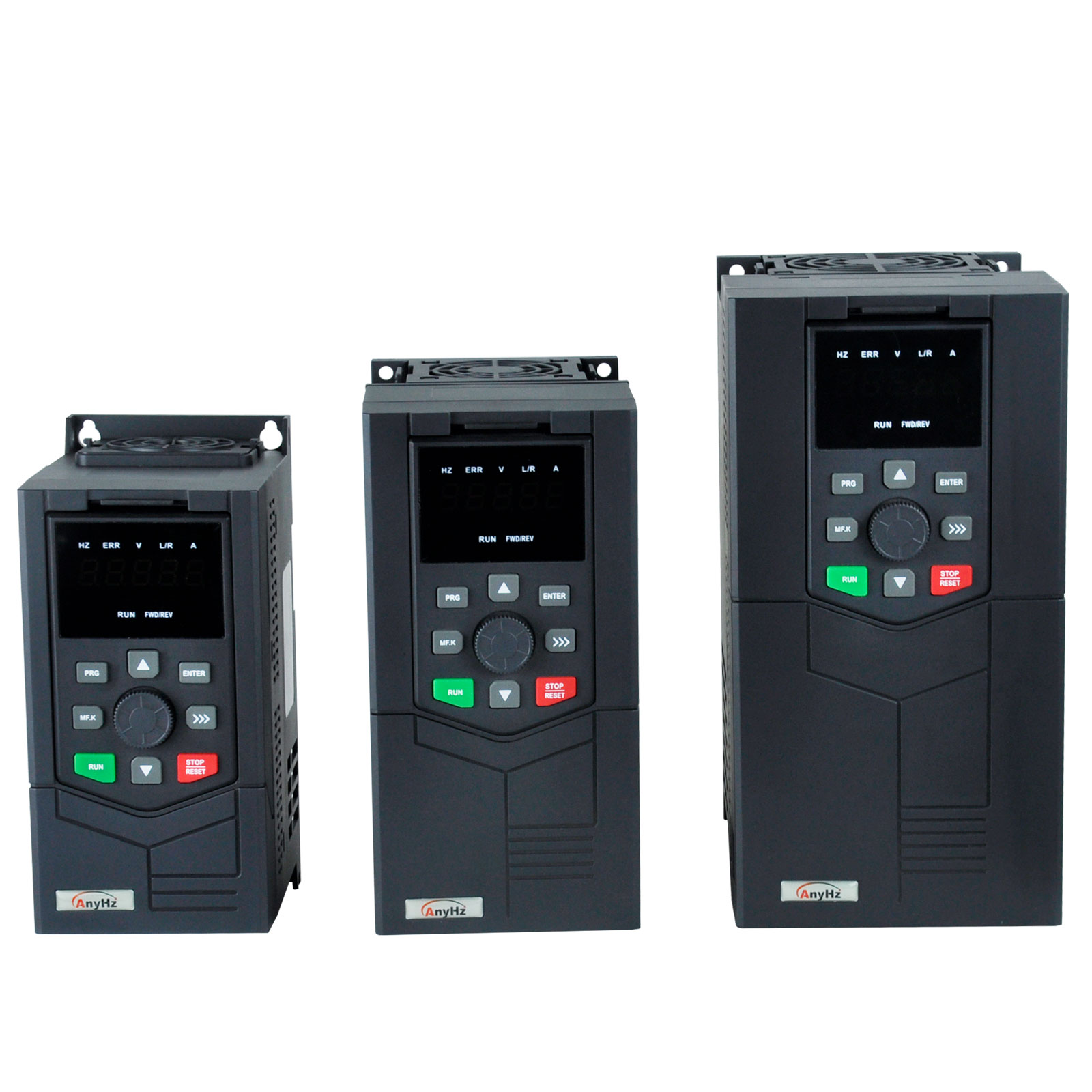
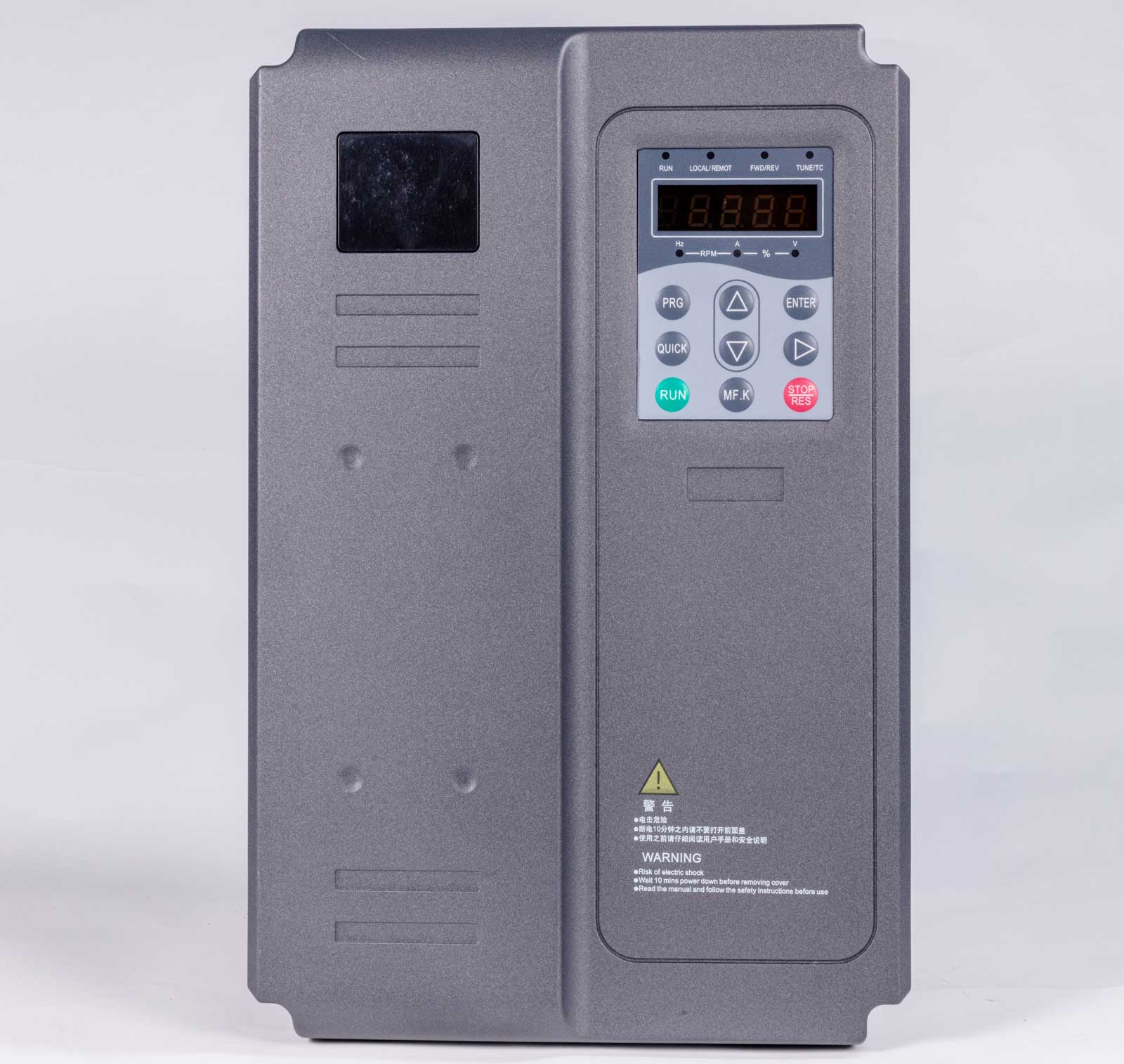
Model: 22kW general-purpose inverter

Application: Sugarcane pressing production line drive control

Failure Time: spring morning during work shift power-up

Failure Manifestation: IGBT module rupture, drive circuit burnout

Environmental Characteristics:

Located in southern China, spring relative humidity >85%

High concentration of sugarcane straw dust in production environment

Day-night temperature difference of 8-12°C, prone to condensation after shutdown


In-depth Failure Mechanism Analysis


1. Formation of Dust Moisture Absorption and Conductive Path Sugarcane straw dust is rich in plant fibers and sugars, with strong hygroscopicity. During shutdown, dust deposits on PCB boards and IGBT pins, absorbing moisture from the air to form an electrolyte solution film. Insulation resistance drops dramatically from >100MΩ to <1MΩ.


2. Condensation Aggravates Conductive Risk Nighttime temperature drops cause inverter internal temperature to fall below dew point, producing condensation on metal surfaces. The dust-water mixture creates a leakage current channel between IGBT gate (G) and emitter (E).


3. IGBT Mis-conduction Thermal Runaway


Mis-conduction Condition: Gate voltage > threshold voltage (typically 3-5V), leakage current can trigger conduction

Active Region Operation: Dust conductivity causes Vge to reach conduction threshold, but drive signal is not properly established, putting IGBT in linear amplification region

Thermal Runaway Calculation: P_loss = Ic × Uce, where Uce≈300V and Ic is leakage current of tens of mA, resulting in instantaneous power consumption of several watts. Junction temperature exceeds Tj(max) (150°C) causing thermal breakdown


4. Explosion Chain Reaction Single IGBT breakdown short circuit → DC bus overcurrent → adjacent bridge arm shoot-through → module package rupture → drive optocoupler and power board chain damage


Protection Strategies and Maintenance Recommendations


1. Environmental Control (Symptomatic Treatment)


Dehumidification Management: Install industrial dehumidifiers in electrical rooms, maintaining humidity <60%RH

Temperature Difference Control: Keep control cabinet heaters running after shutdown, maintaining internal temperature 5°C above ambient

Positive Pressure Ventilation: Use IP54 protection cabinets, introducing filtered dry air to create positive pressure


2. Regular Maintenance (Fundamental Treatment)


Dust Removal Cycle: Clean every 2 weeks in dusty environments, using anti-static brushes and anhydrous alcohol

Insulation Testing: Measure main circuit ground insulation resistance monthly, should be >5MΩ

Coating Protection: Spray PCB boards with conformal coating (acrylic/polyurethane) to block dust adhesion


3. Operating Procedures


Power-up Timing: Avoid morning high-humidity periods, recommend starting after 9:00 AM when ambient temperature rises

Pre-heating Process: Apply control power 30 minutes before high-voltage power-up, using internal losses to preheat and drive out moisture

Soft Start Settings: Extend ramp time to 30-60 seconds, reducing dv/dt impact


4. Hardware Upgrades


IGBT Selection: Choose driver chips with Miller clamp function to enhance anti-interference capability

Circuit Optimization: Parallel 10kΩ pull-down resistors at gates to ensure Vge<1V when off

Monitoring Addition: Install condensation sensors, prohibiting high-voltage power-up when humidity exceeds limits


Industry Promotion Value


This case reveals inverter failure modes under triple harsh conditions of multi-dust + high humidity + large temperature difference, applicable to:


Sugar Industry: Sugarcane/beet processing dust environments

Grain Processing: Flour, feed production workshops

Textile Dyeing: Cotton dust, high-humidity environments

Mining & Metallurgy: Metal dust, large day-night temperature difference scenarios


Conclusion


Inverter reliability in dusty, humid environments depends not only on component quality but more on systematic environmental management. Regular maintenance and dust removal, condensation risk control, and optimized power-up timing are the three core measures to prevent IGBT explosions. It is recommended to incorporate inverters into critical equipment preventive maintenance systems to avoid production losses from unplanned downtime.


×

Contact Us

captcha
×

Inquire

*Name
*Email
Company Name
Tel
*Message