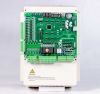
VFD vs Soft Starter: Which One Do You Need?

Views: 17 Author: Site Editor Publish Time: Origin: Site
Introduction

When a 500 HP industrial fan motor starts, it can draw 600% of its rated current—enough to dim lights across an entire facility and stress mechanical components to their limits. This single moment defines why motor control selection matters. Both Variable Frequency Drives (VFDs) and soft starters address this challenge, but they do so in fundamentally different ways that impact your system's performance, energy consumption, and total cost of ownership for decades to come.

As a leading manufacturer of motor control solutions since 2005, Anyhertz Drive (Shenzhen) Co., Ltd. produces both high-performance VFDs and reliable soft starters. With 156+ patents and 150,000+ units manufactured monthly, we understand that choosing the right technology is critical for your application.

The Core Difference: What Each Technology Does
Soft Starters: Controlled Starting Only

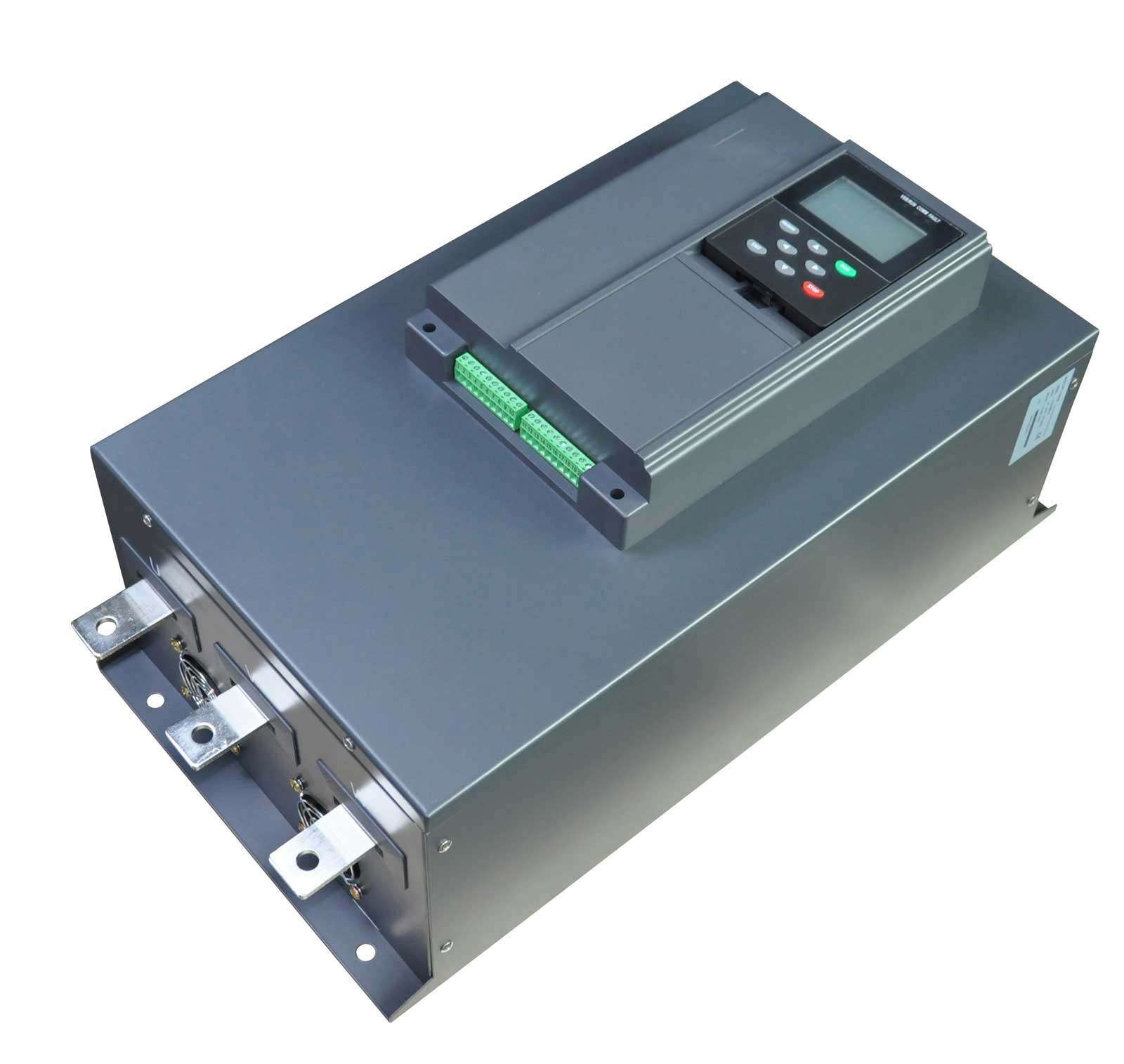
Soft starters use thyristor (SCR) technology to gradually increase voltage during startup, typically over 2-5 seconds. Once the motor reaches full speed, most designs switch to bypass mode, allowing the motor to run directly from the grid at full efficiency.

Key capabilities:
  • Reduces inrush current and mechanical stress during startup
  • Eliminates sudden torque spikes on shafts, couplings, and belts
  • Lower initial cost and simpler installation
  • Minimal harmonic distortion
  • No speed control after startup
VFDs: Complete Speed Control

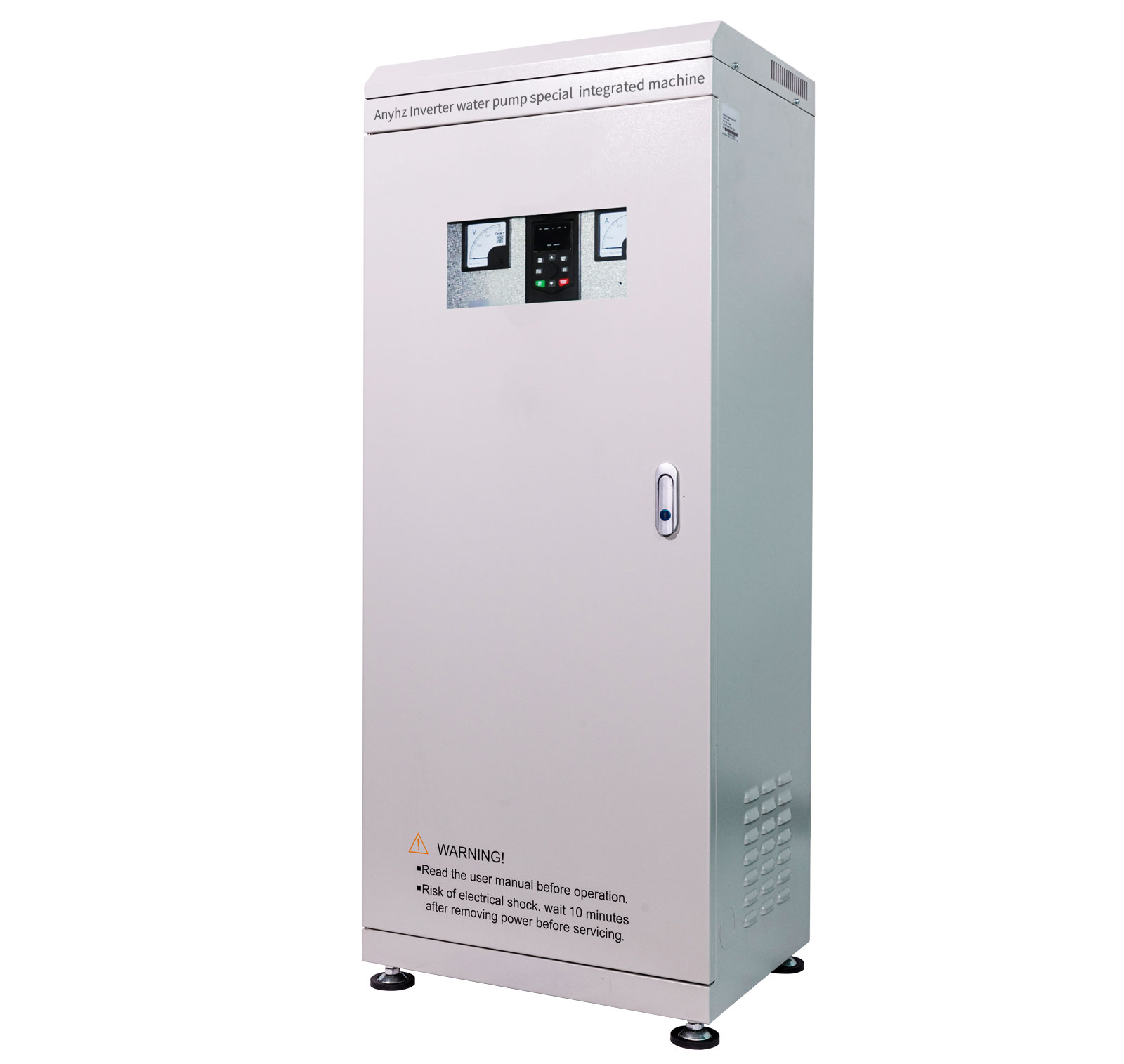
VFDs employ a three-stage power conversion process (rectifier → DC bus → inverter) to vary both frequency and voltage continuously. This enables precise speed adjustment from 0% to 100% of rated speed throughout operation.

Key capabilities:
  • Full variable speed control for process optimization
  • Significant energy savings in variable-torque applications (up to 50%)
  • Precise torque control and process automation integration
  • Programmable acceleration/deceleration profiles
  • Higher initial cost but strong long-term ROI
Head-to-Head Comparison
Feature Soft Starter VFD
Primary Function Controlled starting/stopping Continuous speed & torque control
Speed Control No (fixed speed after startup) Yes (0-100% precise adjustment)
Energy Savings Limited (reduces peak demand) Excellent (30-60% for pumps/fans)
Initial Cost Lower (baseline) 2-3× higher
Installation Simpler, compact footprint More complex, requires cooling
Harmonics Low Higher (may need filtering)
Maintenance Minimal Periodic inspection required
Best For Constant-speed applications Variable-load processes
When to Choose a Soft Starter

A soft starter is the economical, reliable choice when:

  • Motor runs at constant speed and only needs smooth startup
  • Budget is a primary concern — costs significantly less than VFDs
  • Simple installation is preferred — no EMC filters or complex programming
  • Minimal harmonics are required to avoid power quality issues
  • Bypass efficiency is important for continuous-duty operation
Typical applications:
  • Crushers and mills
  • Conveyor belts
  • Large compressors
  • Fixed-speed pumps
  • Mining equipment

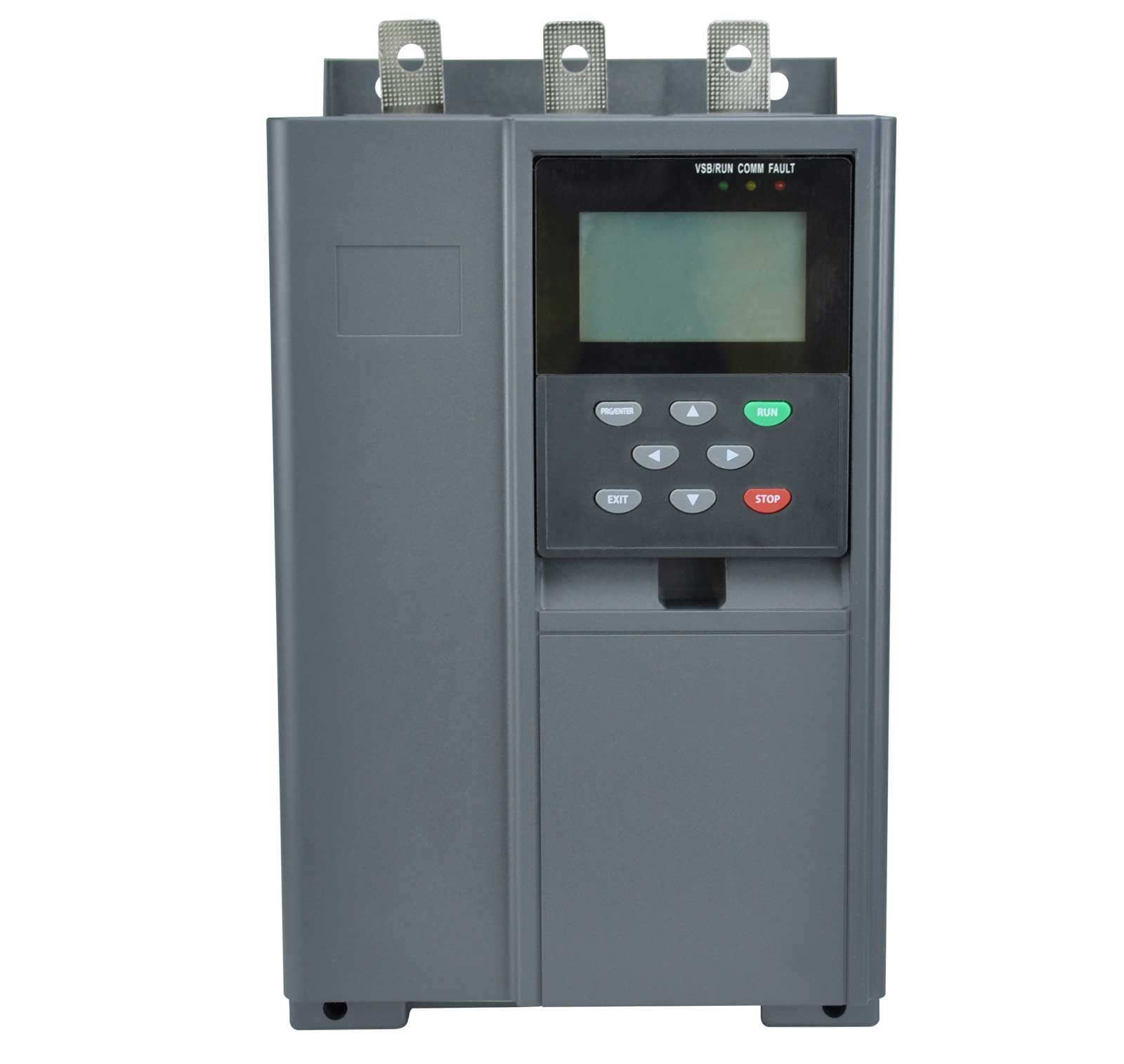
Anyhz soft starters provide reliable startup protection while maintaining simple installation and low maintenance requirements, making them ideal for straightforward industrial applications.

When to Choose a VFD

A VFD is the superior investment when:

  • Variable speed operation is required for process control
  • Energy efficiency is critical — especially for pumps and fans where power is proportional to speed³
  • Load conditions change frequently and require real-time adjustment
  • Process automation integration is needed (PLC/SCADA)
  • Long-term ROI outweighs higher upfront costs
Typical applications:
  • HVAC ventilation systems
  • Water pumping stations
  • Industrial process lines
  • Centrifugal fans and pumps
  • Manufacturing automation

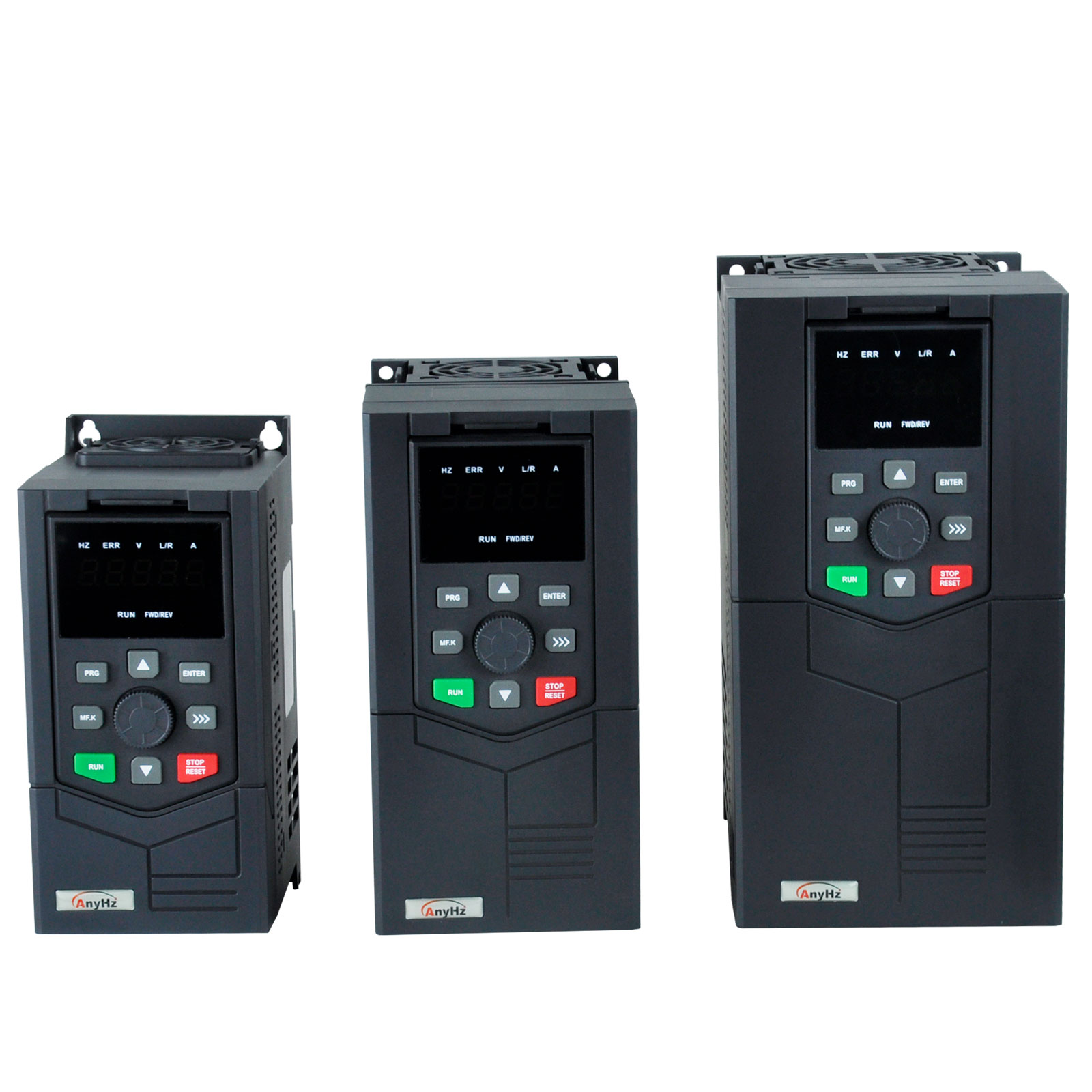
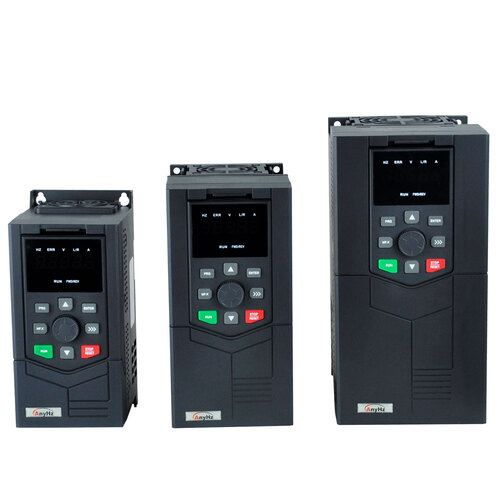
Anyhz's FST-650L high-performance vector VFDs deliver low-speed high torque output with stable performance, while our mini VFD series offers cost-effective solutions for compact installations. Reducing motor speed by just 20% can cut energy consumption by nearly 50% — often recovering the VFD's additional cost within 10-36 months.

Real-World Decision Framework

Follow this logic to select the right technology:

  • Step 1: Is speed control required?
    • Yes → Choose a VFD
    • No → Continue
  • Step 2: Is energy efficiency critical?
    • Yes → Choose a VFD
    • No → Continue
  • Step 3: Is budget the primary concern?
    • Yes → Choose a Soft Starter
    • No → Evaluate total lifecycle costs
Cost Considerations: Beyond the Price Tag
Cost Factor Soft Starter VFD
Equipment Cost Lower Higher
Installation Simpler More complex
Energy Savings Minimal High (for variable loads)
Maintenance Lower Moderate
Long-Term ROI Moderate Strong (1-3 year payback)

Critical insight: Focusing solely on initial price ignores 15-20 years of operating costs. A 200 HP cooling tower fan with a soft starter might consume $30,000 annually in excess energy compared to a VFD-controlled system — the VFD pays for itself in months, not years.

Common Mistakes to Avoid
  1. Using a VFD when speed control isn't needed — Wastes capital and introduces unnecessary complexity
  2. Choosing a soft starter for variable-load applications — Misses significant energy savings opportunities
  3. Ignoring total lifecycle costs — Energy savings often dwarf initial price differences
  4. Inadequate motor cable specification for VFDs — Use VFD-rated shielded cable to prevent insulation failure
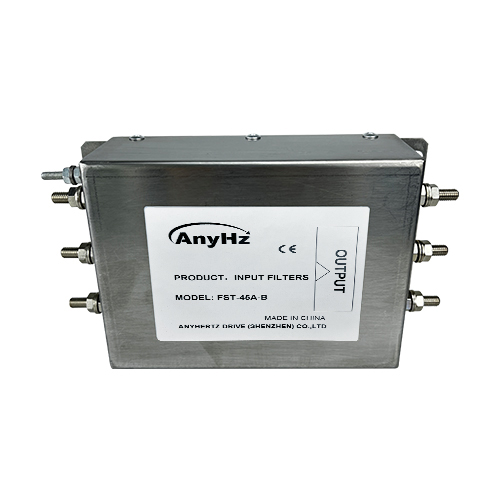
  5. Neglecting harmonic analysis — VFDs may require filtering to protect sensitive equipment
Anyhz Advantages

Whether you choose a VFD or soft starter, Anyhz provides distinct advantages:

  • Price-performance leadership — Compared with brands like Inovance and INVT, we offer superior cost-effectiveness
  • Flexible customization — Strong autonomy to tailor solutions to your specific needs
  • Fast delivery — 150,000+ monthly production capacity with short lead times
  • Professional support — After-sales engineers with 10+ years of experience
  • Quality assurance — 156+ patents, excellent material selection, and fine workmanship
Conclusion

Both technologies play vital roles in industrial motor control, but they serve fundamentally different purposes:

  • Choose a VFD when you need variable speed, energy optimization, and process control. The higher initial investment delivers substantial long-term returns through energy savings and improved system performance.
  • Choose a Soft Starter when you need smooth motor startup at constant speed with minimal investment. It provides essential protection without unnecessary complexity.

The right choice depends on what your application actually demands. Budget matters, but so does what you're trying to accomplish. At Anyhz, we help you analyze your specific requirements — from load characteristics to long-term operational goals — to ensure you select the optimal motor control solution.

Need expert guidance? Contact Anyhz Drive's technical team for a personalized assessment of your application requirements.


Anyhertz Drive (Shenzhen) Co., Ltd. — Your trusted partner for motor control solutions since 2005.

×

Contact Us

captcha
×

Inquire

*Name
*Email
Company Name
Tel
*Message