How to Choose the Right Variable Frequency Drive (VFD) for Your Industrial Application: A Complete Guide

Views: 7 Author: Site Editor Publish Time: Origin: Site

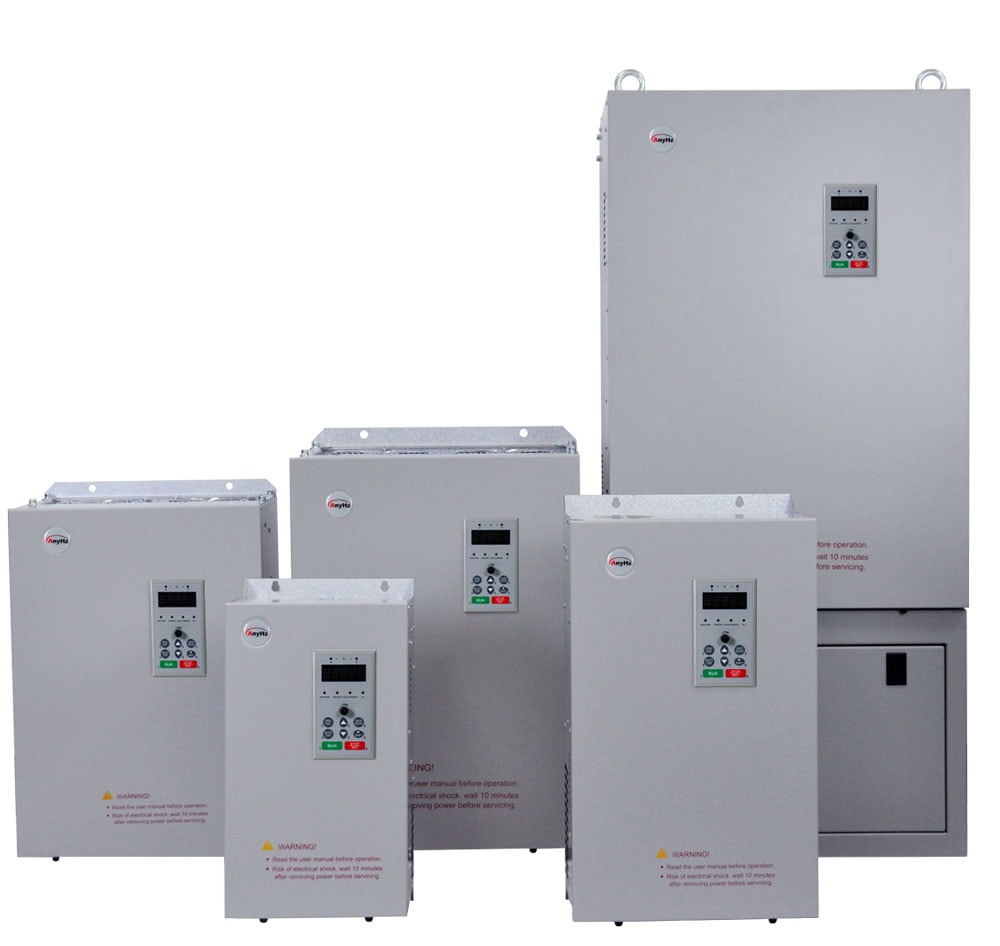
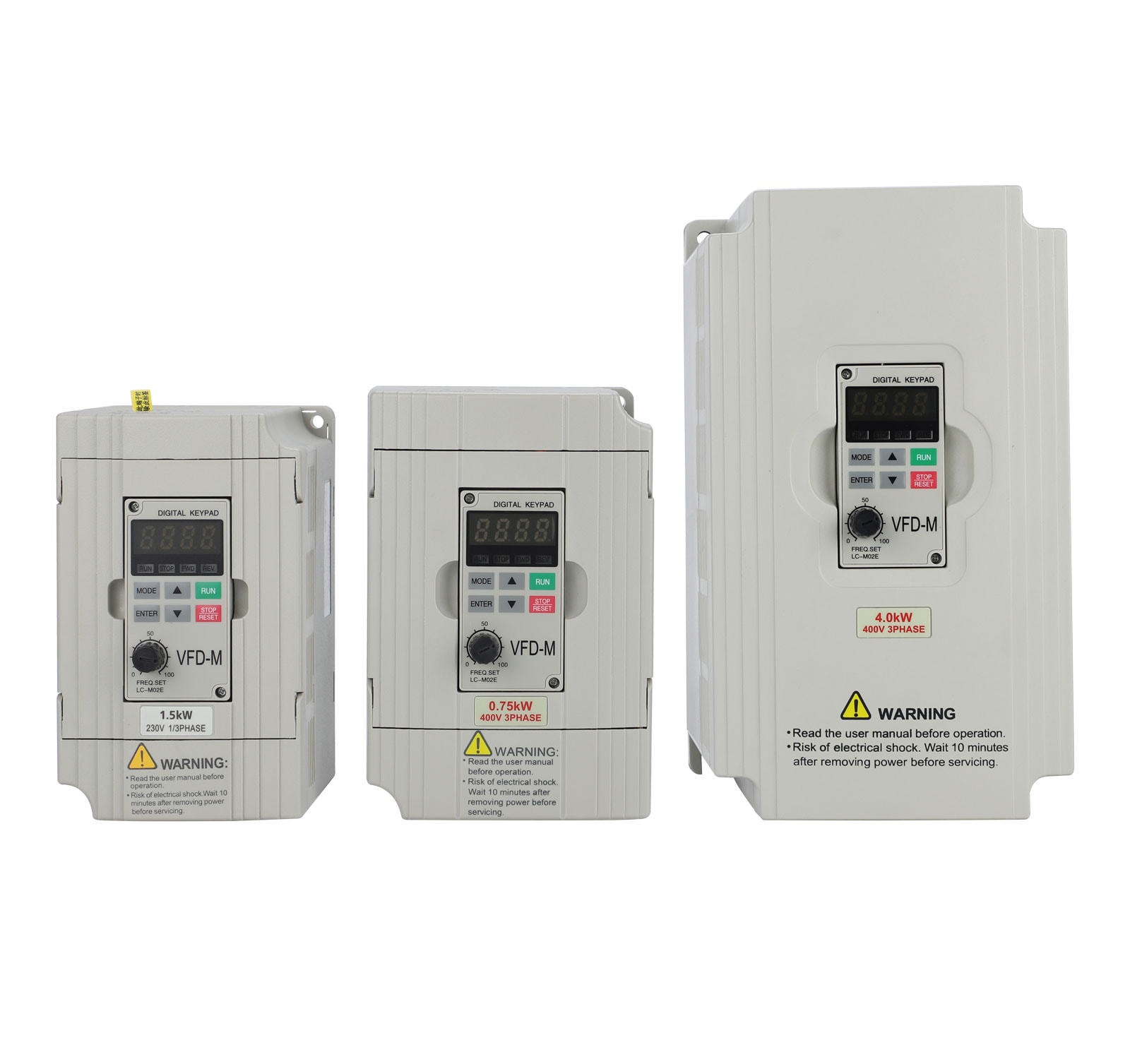
Selecting the right Variable Frequency Drive (VFD) is critical for optimizing motor performance, reducing energy costs, and ensuring long-term reliability in industrial operations. With numerous options available, understanding key selection criteria helps you make an informed decision. This guide walks you through the essential factors to consider when choosing a VFD for your specific application.

1. Understand Your Motor and Load Requirements
Motor Specifications

Start by identifying your motor's rated power (kW/HP), voltage (220V, 380V, 440V, 6kV, or 10kV), current rating, and frequency. The VFD must match or exceed these specifications to ensure safe operation.

Load Characteristics

Different applications have distinct torque requirements:

  • Constant Torque: Conveyors, cranes, and compressors require consistent torque across all speeds.
  • Variable Torque: Fans and pumps typically need lower torque at reduced speeds, making them ideal for energy savings.
  • High Starting Torque: Applications like hoists and extruders demand robust low-speed torque output.

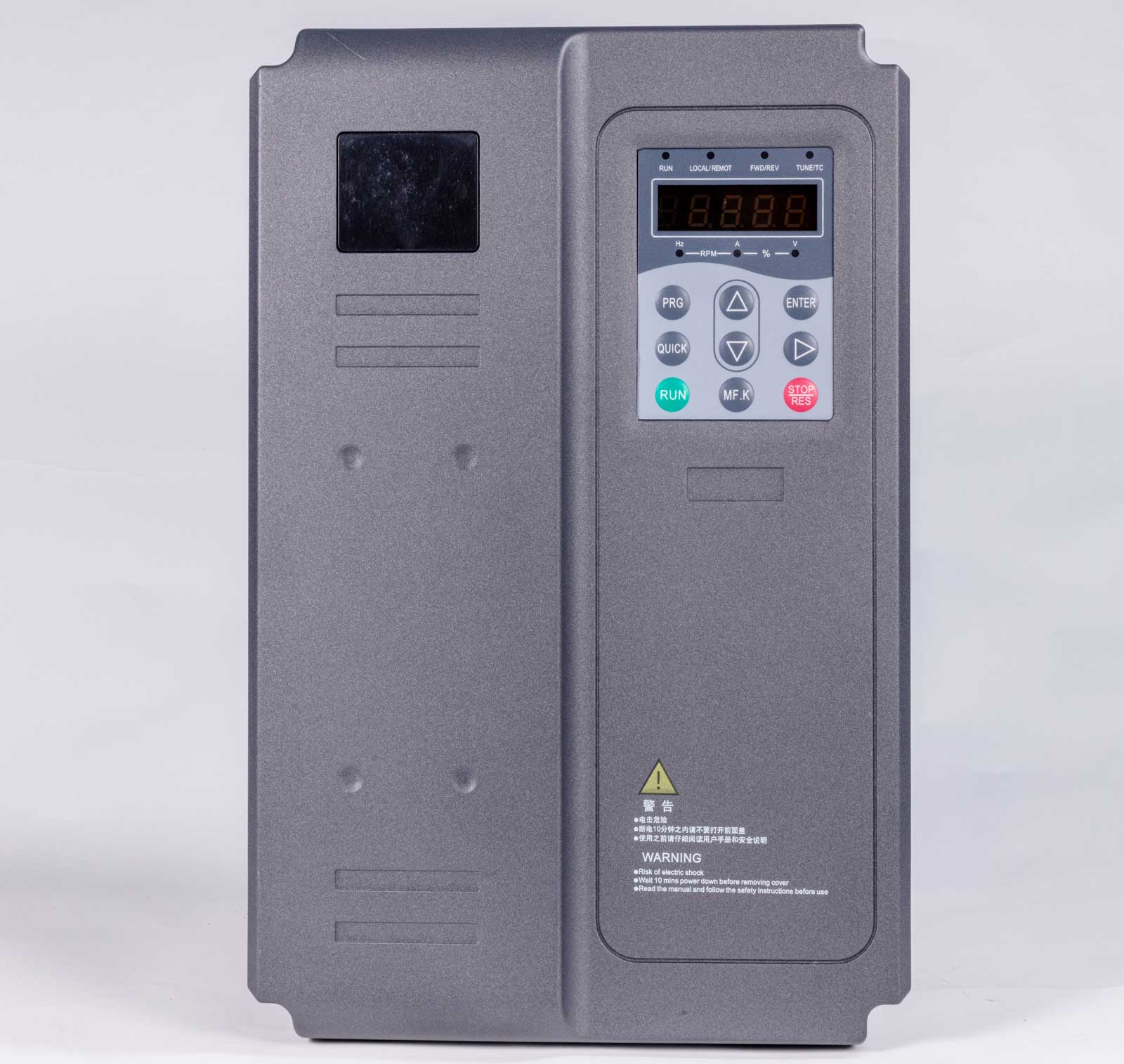
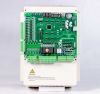
AnyHz Solution: Our FST-650L Vector Control Inverter delivers high-performance vector control with low-speed high torque output, making it ideal for demanding constant torque applications.

FST-650L Vector Control Inverter

2. Determine the Right VFD Type for Your Application
Low Voltage VFDs (220V–440V)

Suitable for most industrial machinery, including:

  • Textile and papermaking equipment
  • Machine tools and packaging lines
  • Food processing machinery
  • Fan and pump systems

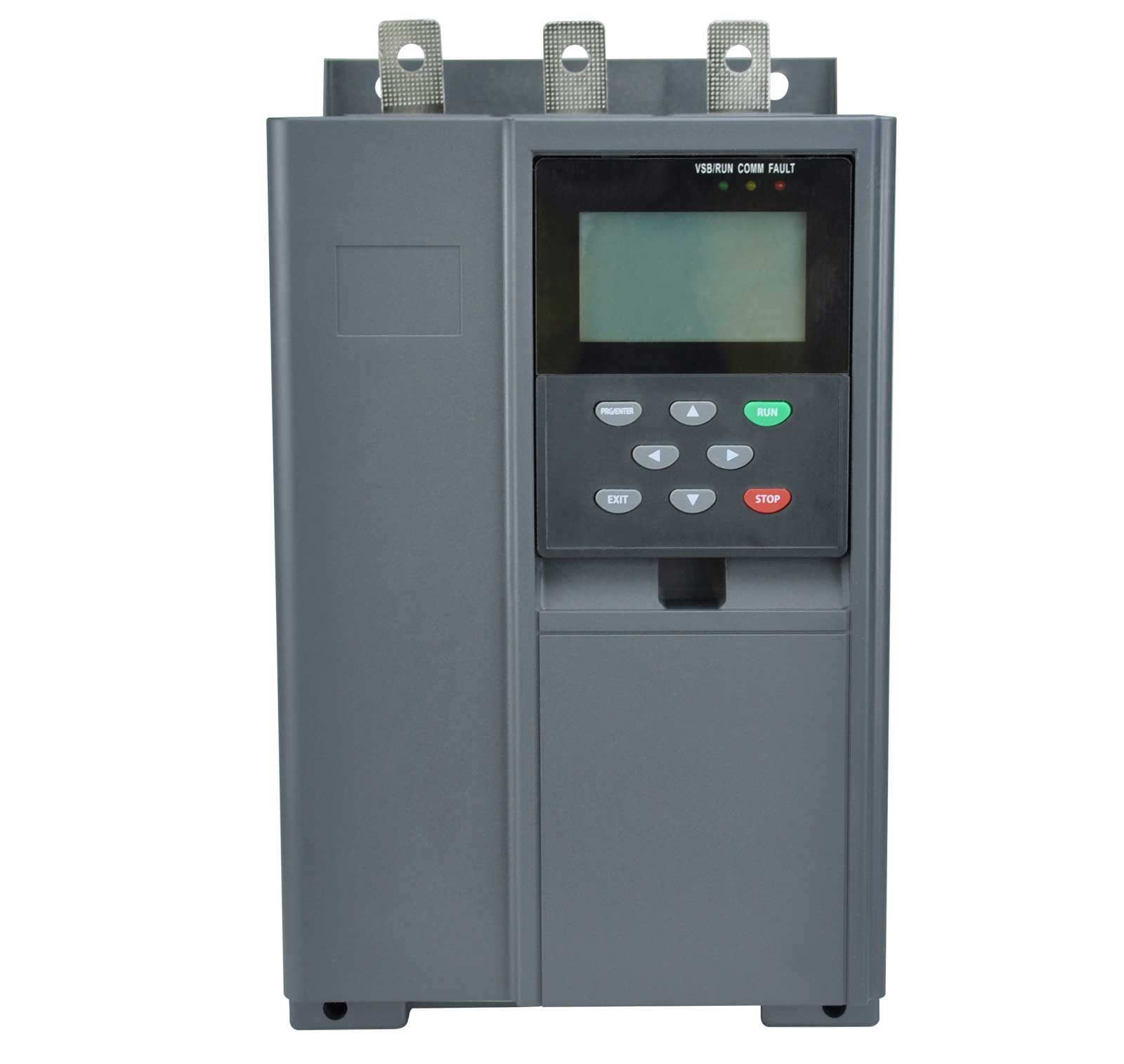
Designed for heavy-duty industrial motors requiring comprehensive soft start, speed regulation, and intelligent control solutions.

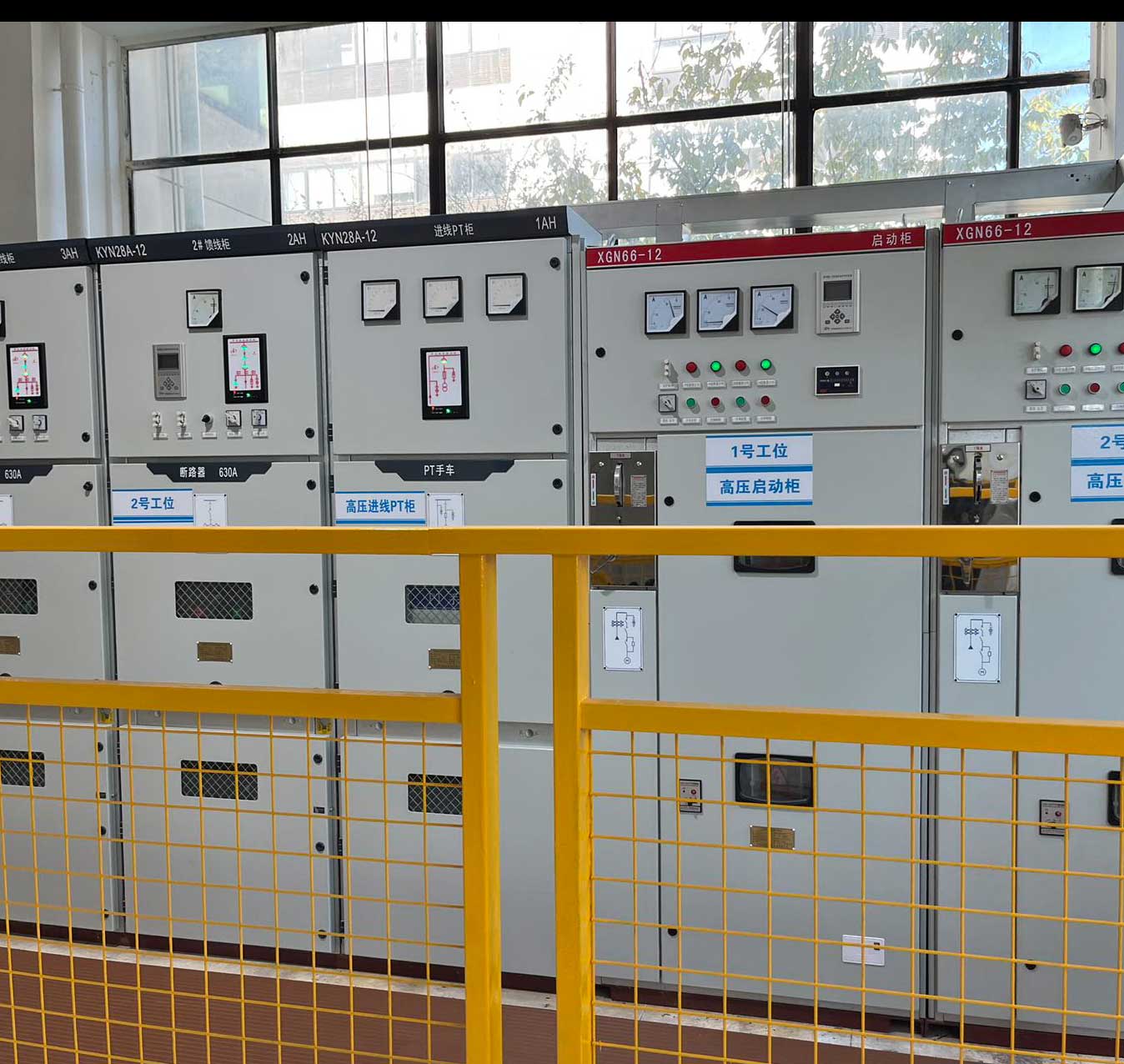
High Voltage VFD 6kV/10kV

Specialized VFDs

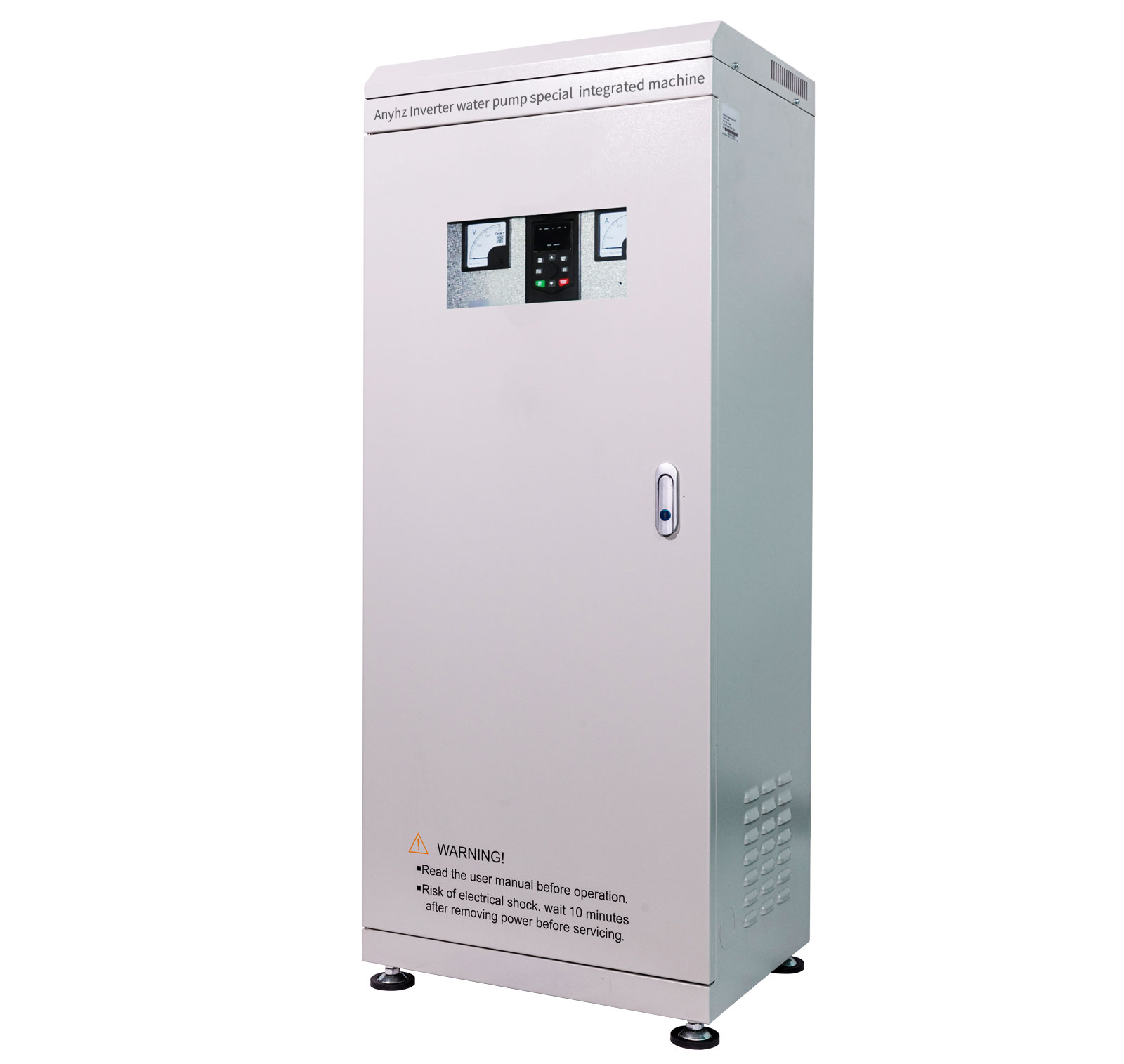
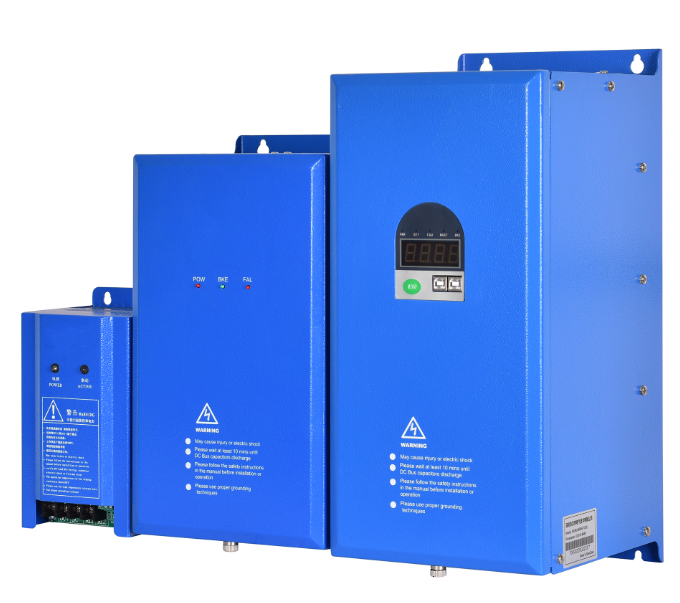
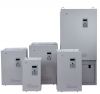
For specific applications, consider dedicated solutions like our Water Pump Dedicated Frequency Converter All-in-One Machine, which integrates energy-saving control in a compact cabinet design.

3. Evaluate Control Performance Requirements
V/F Control

Basic control method suitable for simple applications where precise speed control isn't critical.

Vector Control

Provides superior performance for applications requiring:

  • Precise speed control
  • Fast torque response
  • High low-frequency torque

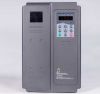
AnyHz Advantage: Our FST-610 High Performance Vector Control Inverter excels in situations with demanding speed control, torque response speed, and low-frequency torque requirements.

FST-610 High Performance Vector Control Inverter

4. Consider Environmental and Operational Factors
Environmental Conditions
  • Temperature: Ensure the VFD's operating temperature range matches your facility conditions.
  • Protection Rating: IP ratings indicate dust and moisture resistance for harsh environments.
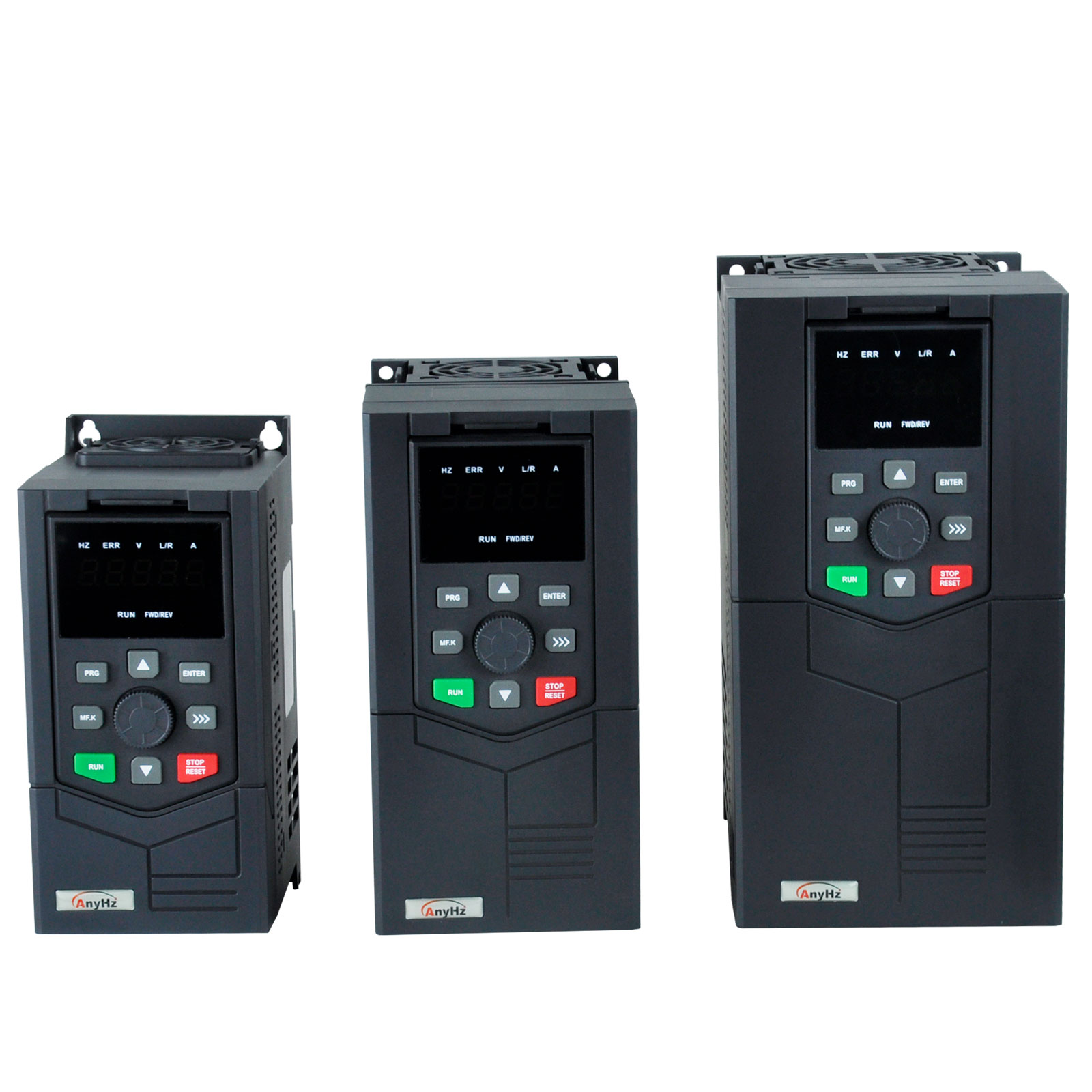
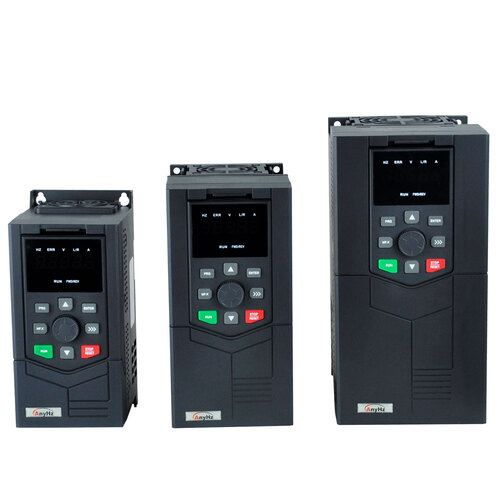
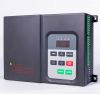
  • Installation Space: Compact designs like our FST-500 Mini Vector Control Inverter (0.4–7.5kW) save valuable panel space while maintaining full functionality.

FST-500 Mini Vector Control Inverter

Power Quality

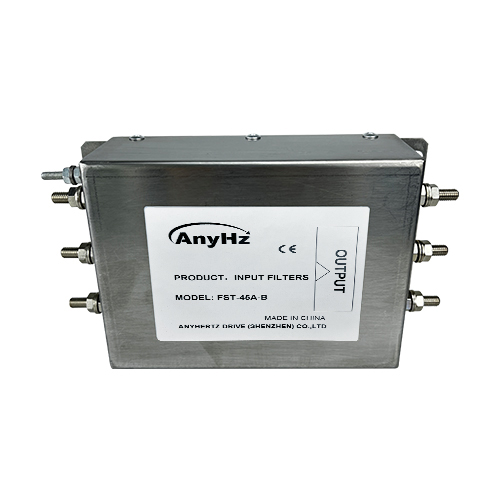
Install input/output filters to suppress power line interference and reduce EMI. Our FST Series Input Output Filters (rated 5A–1600A) feature three-stage design for high impedance across broad frequencies, compatible with all inverter brands.

FST Series Input Output Filters

5. Assess Communication and Integration Needs

Modern VFDs must integrate seamlessly with your automation ecosystem. Consider:

  • Communication Protocols: RS485, Modbus, Profibus, or Ethernet connectivity
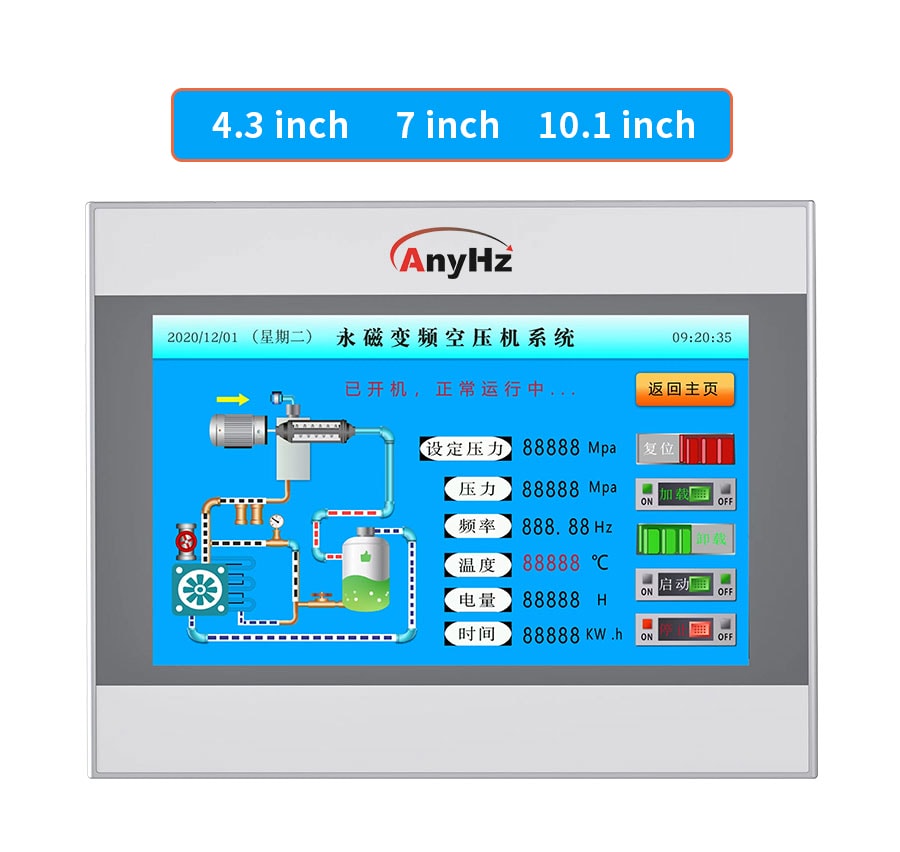
  • HMI Integration: Our industrial HMI Touch Screen Displays (4.3" to 15.6") serve as the bridge between OT and IT, making production management transparent and equipment services efficient.
  • Remote Monitoring: IoT-enabled drives allow predictive maintenance and real-time diagnostics.

HMI Touch Screen Displays

6. Calculate Total Cost of Ownership
Initial Investment vs. Long-term Savings

While advanced VFDs may have higher upfront costs, consider:

  • Energy Savings: Variable torque applications can reduce energy consumption by 20–50%.
  • Maintenance Costs: Soft starting reduces mechanical stress on motors and connected equipment.
  • Downtime Reduction: Intelligent fault protection and diagnostics minimize unplanned outages.
7. Verify Manufacturer Support and Reliability

Choose a manufacturer with:

  • Proven industry experience and global certifications
  • Comprehensive technical documentation and application support
  • Accessible spare parts and service network
  • Customization capabilities for OEM applications
Conclusion: Making the Right Choice

Selecting the optimal VFD requires balancing technical specifications, application requirements, and long-term operational goals. By carefully evaluating motor compatibility, load characteristics, environmental conditions, and integration needs, you can ensure reliable performance and maximum return on investment.

Ready to find your ideal VFD solution? Explore AnyHz's comprehensive range of Low Voltage VFDs, High Voltage Drives, Soft Starters, and OEM Solutions—engineered for performance, reliability, and energy efficiency across diverse industrial applications.

AnyHz: Powering Industrial Efficiency with Advanced Drive Solutions

×

Contact Us

captcha