VFD Price Guide 2026: What Drives Variable Frequency Drive Costs

Views: 5 Author: Site Editor Publish Time: Origin: Site

If you are sourcing variable frequency drives for industrial automation, HVAC systems, water treatment, or equipment upgrades, understanding real-time VFD pricing is critical to controlling procurement costs. In the global industrial component market, VFD costs fluctuate with brand specifications, technical parameters, supply chain dynamics, and industrial demand. This guide breaks down every factor affecting VFD price, shares 2026 market trends, and helps buyers lock in cost-effective solutions.


What Is a VFD & Why Pricing Matters

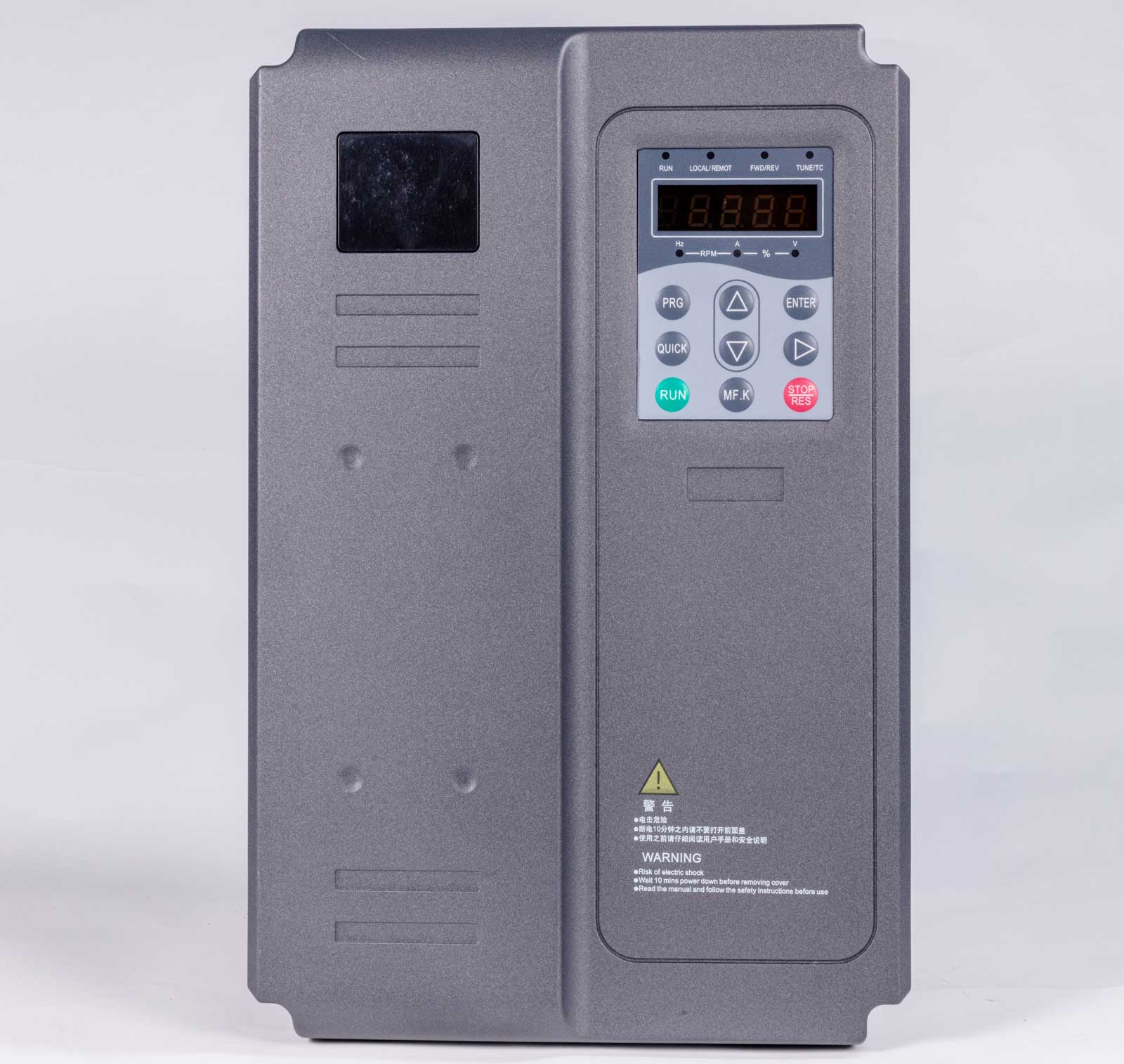
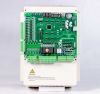
A Variable Frequency Drive (VFD), also known as an inverter, adjusts motor speed and torque by changing power frequency. It is widely used in fans, pumps, conveyor belts, CNC equipment, and HVAC systems, offering energy savings, equipment protection, and intelligent control.

For procurement teams, engineering contractors, and equipment distributors, VFD price is not just a direct cost—it directly impacts project margins. Choosing a reasonably priced, high-quality VFD reduces both upfront investment and long-term energy and maintenance expenses.


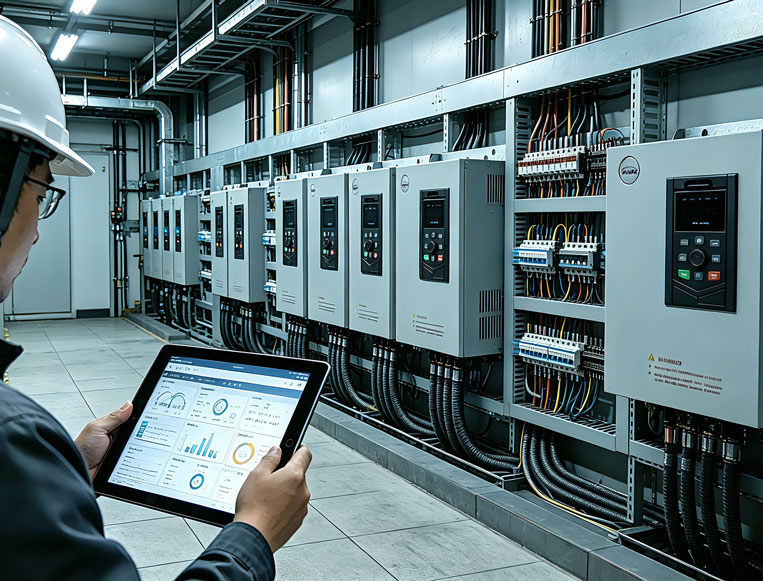
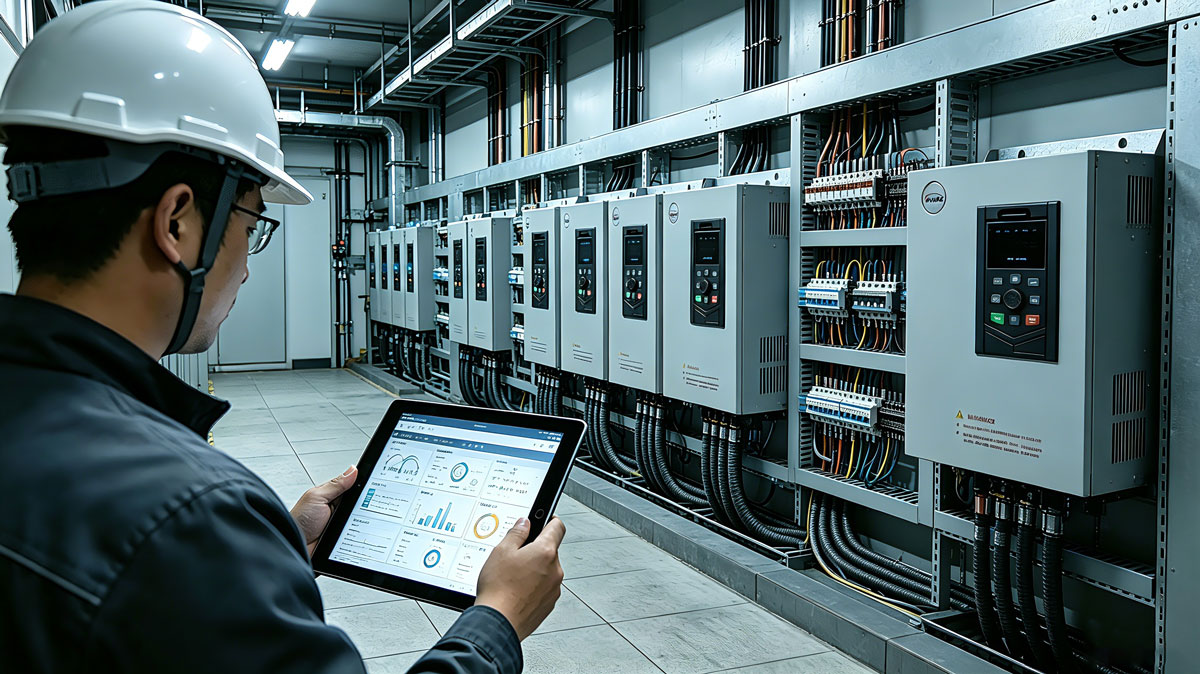
HVAC room
Core Factors That Determine VFD Price

Many buyers are puzzled by wide price gaps among VFDs with identical power ratings. The difference is often several multiples, driven by these key factors:

1. Power Rating & Voltage

Power is the most visible cost driver. Higher-rated VFDs require more robust internal chips, capacitors, and power modules, increasing manufacturing cost.

Power Range Typical Application Price Stability
0.75KW – 7.5KW Small fans, pumps, light machinery High volume, most transparent pricing
11KW – 55KW Medium industrial equipment, HVAC Strong value from domestic brands
75KW – 630KW+ Heavy industry, water treatment, mining Wide range due to customization

Voltage also affects cost. Standard 220V single-phase and 380V three-phase units have transparent pricing, while custom high-voltage drives carry significant premiums.

2. Brand Tier & Product Grade

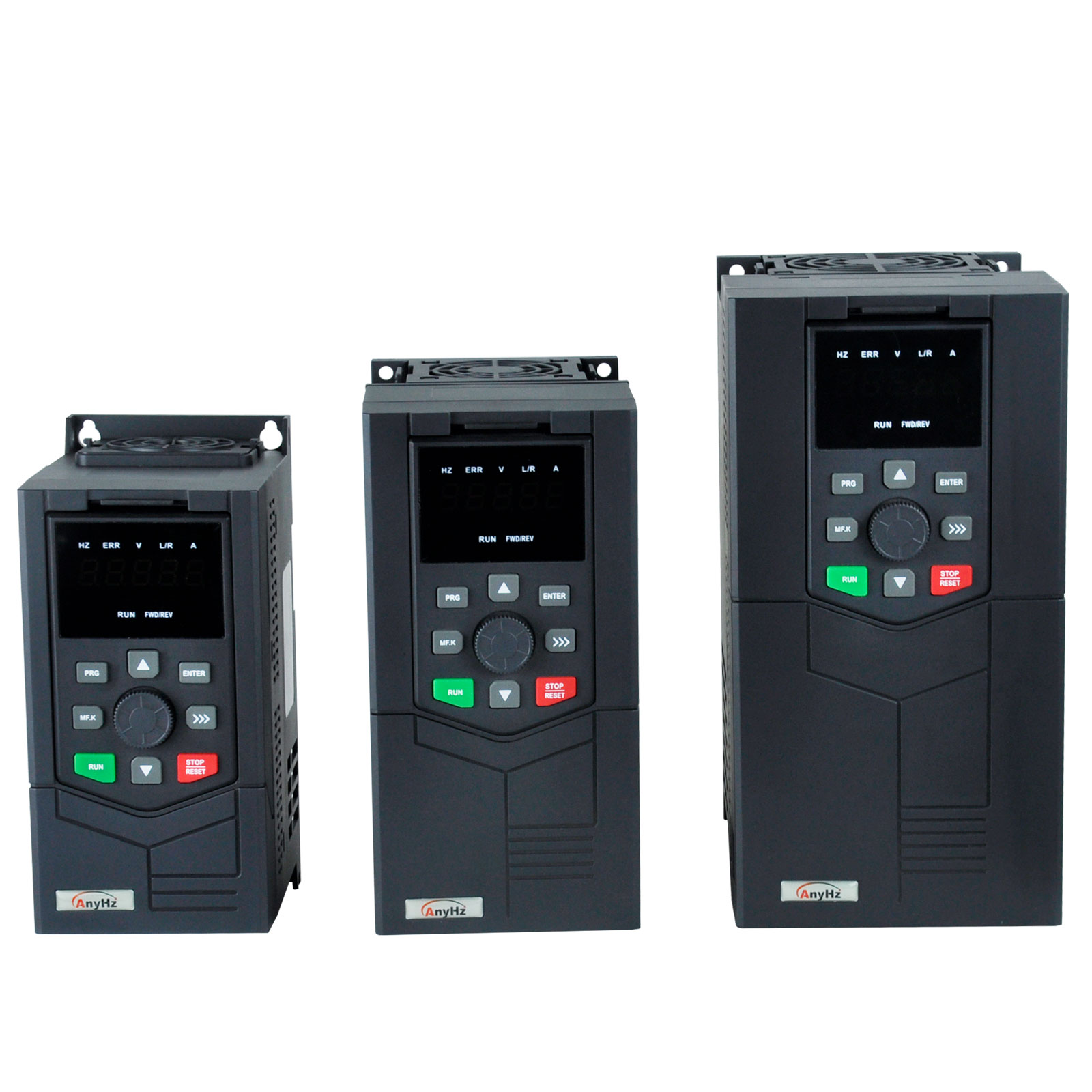
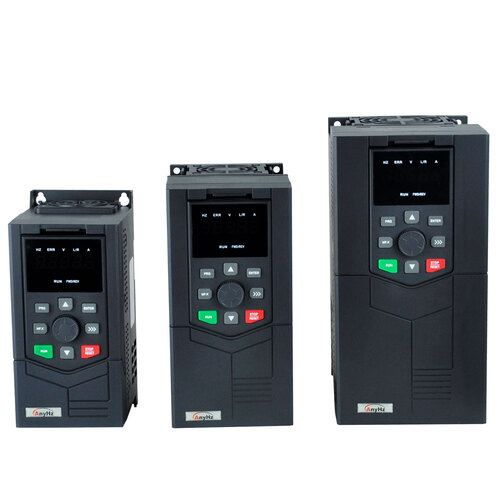
Brand positioning creates the widest price spreads. Within AnyHz's own portfolio, three distinct product lines serve different application tiers:

Product Line Grade Best For Price Position
FST-650L Series General-Purpose Fans, pumps, conveyors, light-duty machinery Entry-level, highest volume value
FST-610 Series High-Performance Vector CNC, hoists, heavy-duty start, frequent speed regulation Premium, 30%–80% above FST-650L

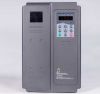
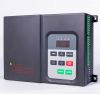
FST-650L General-Purpose VFDs cover standard frequency conversion with stable performance for variable-torque loads. They are the go-to choice when your application does not demand dynamic response or precise positioning.

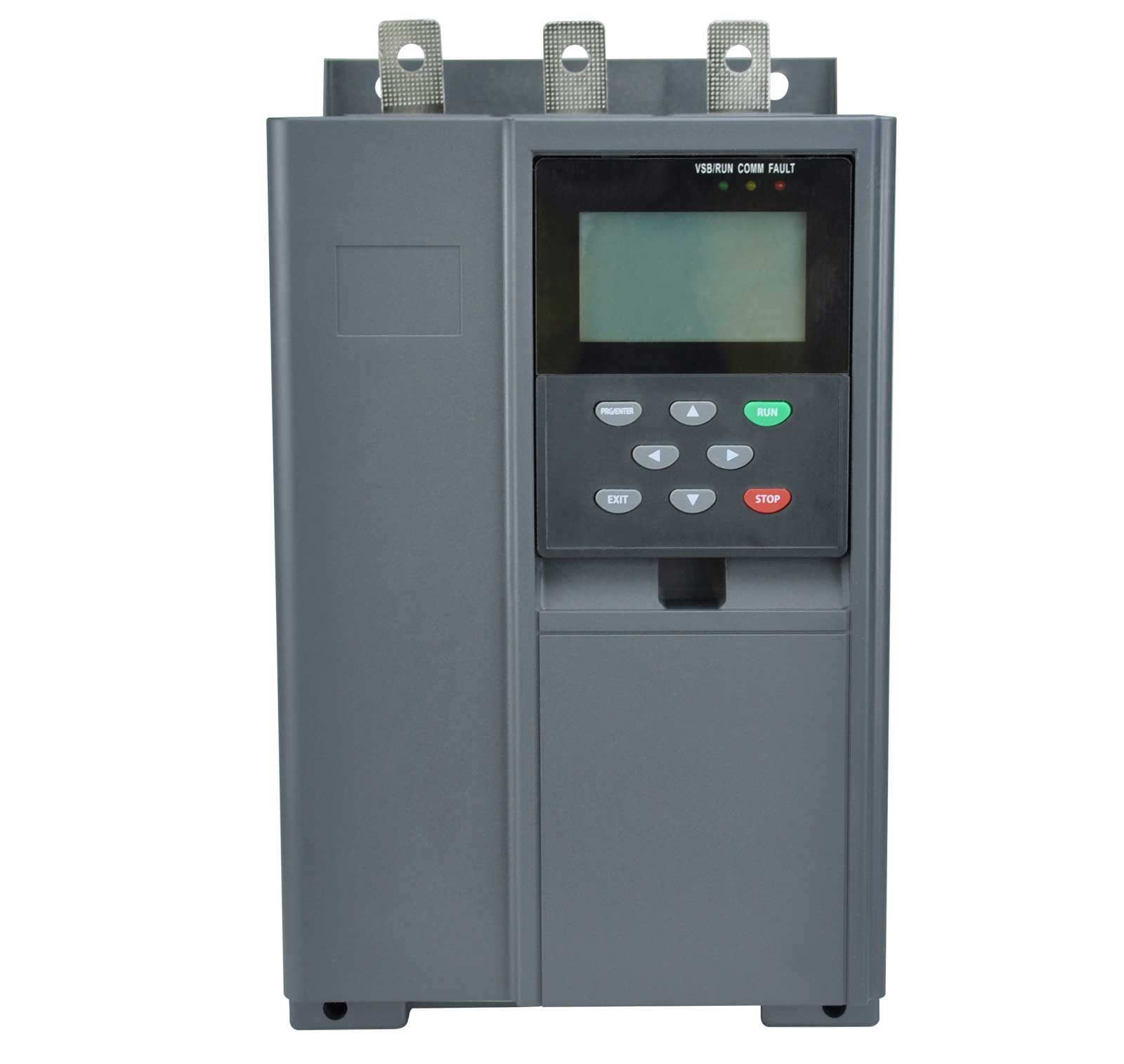
FST-610 Series Vector VFDs upgrade to full field-oriented control, delivering:

  • ±0.5% speed accuracy under vector mode
  • 150% overload capacity for 60 seconds
  • Built-in EMC filter and braking unit options
  • Multi-pump control and PID auto-tuning

For buyers comparing across brands: FST-650L series sits competitively against DELIXI and INVT entry lines, while the FST-610 series targets ABB ACS880 and Siemens G120 functional parity at a significantly lower VFD price point.

3. Functional Configuration

Standard VFDs support basic frequency conversion only. Premium units add:

  • Integrated PLC control
  • Remote communication (4G / WiFi / Ethernet)
  • Fault self-diagnosis & predictive maintenance
  • Overload, lightning, and surge protection
  • Energy-saving optimization algorithms

Enclosure ratings also matter. IP65+ industrial-grade drives for mines, chemical plants, and outdoor installations cost significantly more than standard indoor models.

4. Supply Chain & Seasonal Demand

Global semiconductor, capacitor, and copper price fluctuations transmit directly to VFD costs. Annual procurement peaks (typically Q1 and Q3) tighten supply and push prices up 5%–15%. Off-season periods (Q2, Q4) often bring manufacturer destocking promotions.


2026 AnyHz VFD Price Reference

Based on H1 2026 global industrial electrical market data, here are ex-factory price ranges (excluding freight and tax). Final quotes depend on batch size and customization.

Series Power Range Ex-Factory Price (USD) Key Differentiator
FST-650L 0.75KW – 630KW $55 – $5,500 Cost-optimized for standard V/Hz control
FST-610 0.75KW – 630KW $95 – $7,500 Vector control, heavy-duty overload, advanced communication

Note: Prices exclude freight and tax. Volume discounts and OEM customization available. Request a project quote for precise numbers.


How to Buy Cost-Effective VFDs in 2026
  1. Match specs to actual load conditions. Avoid overspecifying. Light-duty applications only need the FST-650L series standard universal model.
  2. Prioritize certified manufacturers with proven after-sales. AnyHz provides 18-month standard warranty with optional extension to 36 months, plus regional service centers across 40+ countries.
  3. Leverage batch procurement. Engineering contractors and long-term distributors can negotiate 5%–15% ex-factory discounts on volume orders. Contact our sales team for tiered pricing.
  4. Time your purchase. Buy during off-season windows (typically May–June, October–November) to capture manufacturer promotions.

Final Thoughts

VFD pricing in 2026 is shaped by power rating, brand tier, functional configuration, and market supply-demand cycles. The overall market is stabilizing: standard models like the FST-650L series are well-supplied with transparent pricing, while FST-610 series vector drives offer a compelling upgrade path for demanding applications.

For global industrial buyers, the key to low-cost, high-quality procurement is clear needs definition, rational model selection, and strategic supplier partnerships.

Need a real-time, customized VFD quote? Contact our engineers for model matching between FST-650L and FST-610 series, bulk pricing, and one-stop industrial electrical procurement solutions.


Frequently Asked Questions

How much does a VFD cost in 2026? Low-power VFDs (0.75KW–7.5KW) range from $55 to $180. Medium-power units (11KW–55KW) cost $200–$850. High-power drives (75KW–500KW) start at $900 and reach up to $7,500 for vector-grade models like the FST-610 series.

What is the difference between FST-650L and FST-610 Series? The FST-650L is a general-purpose VFD for standard V/Hz control in fans, pumps, and conveyors. The FST-610 is a high-performance vector drive with ±0.5% speed accuracy, 150% overload capacity, and advanced communication—ideal for CNC, hoists, and heavy-duty applications. The FST-610 costs 30%–50% more than the FST-650L at equivalent power.

When is the best time to buy VFDs? Off-season months—typically May–June and October–November—offer the best pricing as AnyHz manufacturers run destocking promotions. Avoid Q1 and Q3 peaks when industrial procurement surges.

×

Contact Us

captcha